A discount might get someone to download a retail app. Keeping it on their phone is harder. In an Adobe survey, 72% of US shoppers said they’d deleted an app after using it for a one-time offer or purchase. Downloads look good on a dashboard. They don’t mean customers will return.
The apps people keep do more than sell things. Whether it’s a clothing brand, a grocery chain, or a snus store, the idea is much the same: make repeat shopping less of a hassle. People want to find previous orders, check delivery details, and get what they need without starting from scratch. Those small conveniences give them a reason to choose the same retailer again.
Make the next purchase easier
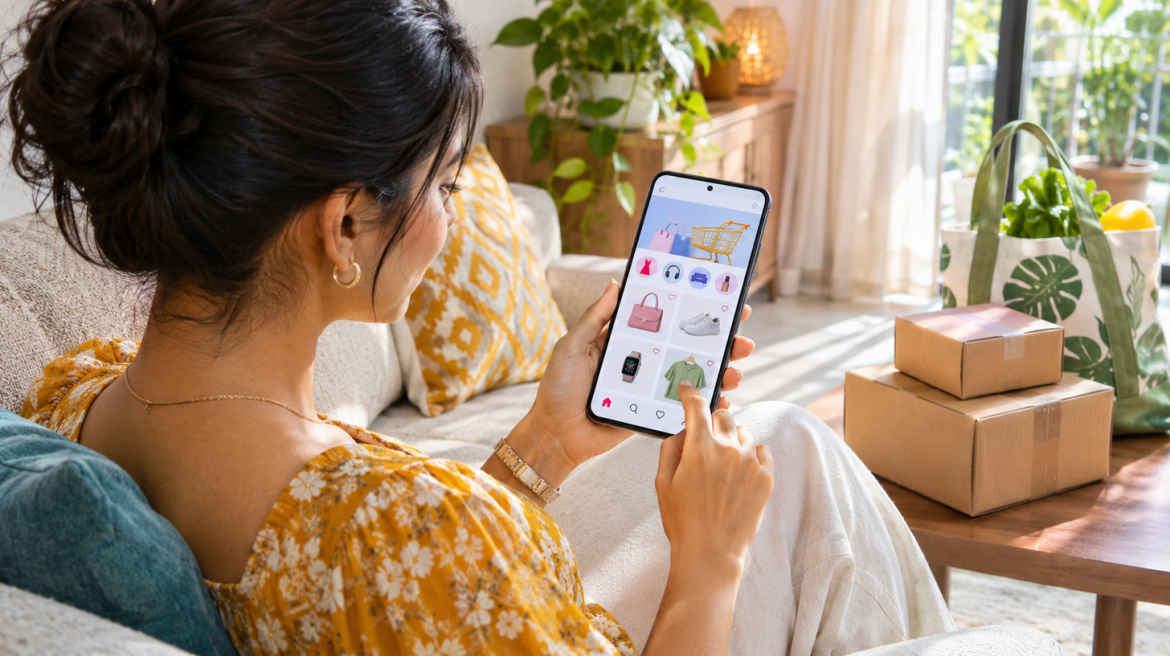
Say someone needs more of their usual skin care. They don’t want to search again, reenter an address or hunt for the same shade. An app can save their favorites, show past orders and offer a quick, secure checkout.
Fast loading, clear menus and familiar payment options make repeat shopping easier. A mobile website can do much of this too. An app needs to offer more than a smaller version of the store.
Send notifications that actually help
A restock alert for something on a wish list? Useful. Three reminders about a sale someone already ignored? Not so much.
Push notifications work best when they respond to a real need, such as a delivery update, a price drop or a reward that’s ready to use. Let customers choose what they hear about, and how often. A European loyalty survey found that nearly a third of shoppers saw too many notifications as their biggest frustration with apps.
Make loyalty rewards easy to use
Points have little value if shoppers can’t see them or don’t understand how to spend them. A retail app puts balances, rewards and progress in one place. Customers can check what they’ve earned without searching through emails or keeping a paper card.
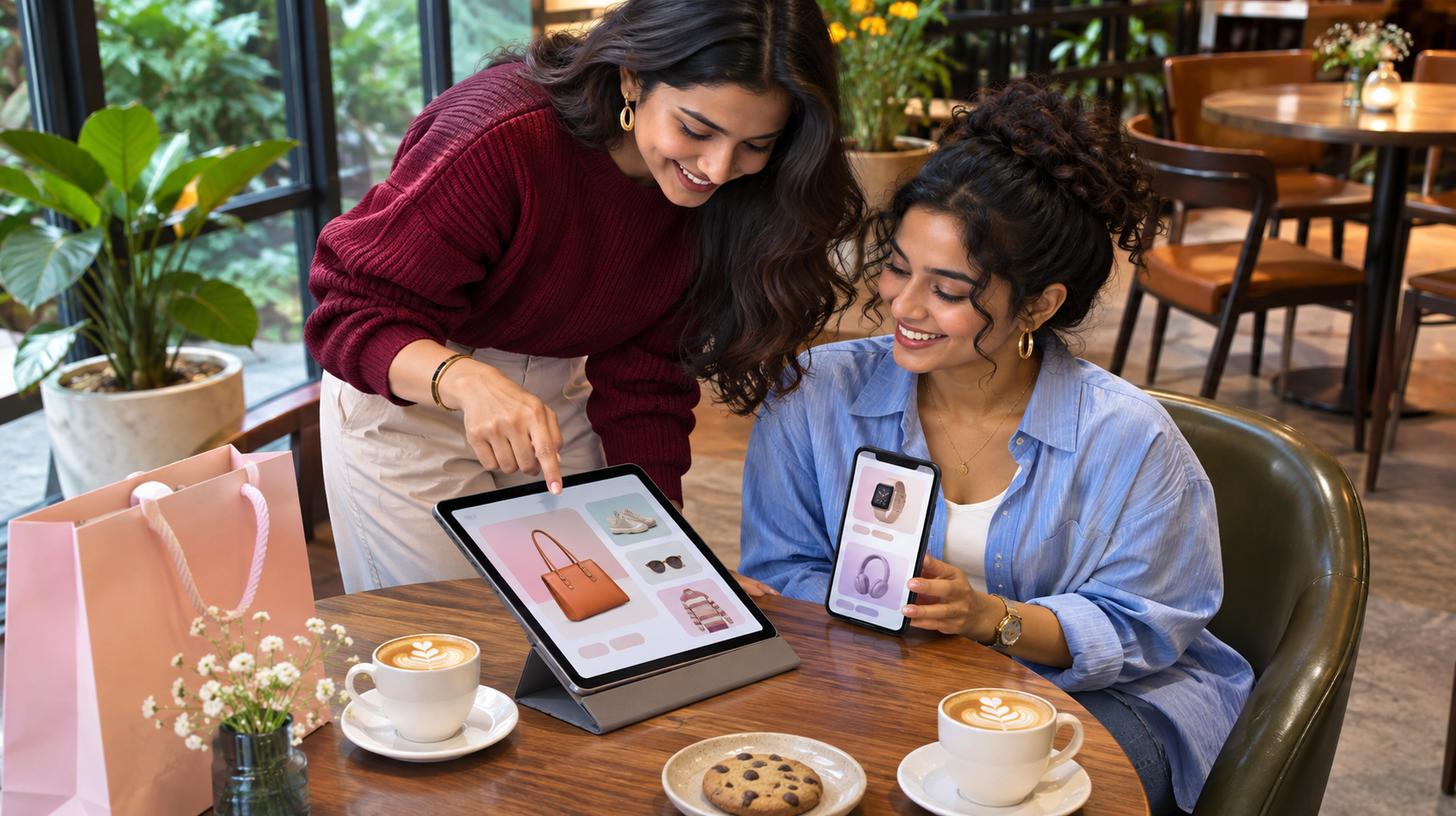
Early access, members-only prices and referral rewards can make shoppers feel valued. But the benefits should be genuinely useful. A complicated points system won’t turn an occasional buyer into a loyal one.
Personalize without getting intrusive
A good app remembers useful things: preferred sizes, favorite categories and items bought before. It can suggest a refill when a product is running low or show relevant new arrivals instead of the same offers to everyone.
AI can improve search and support, but more tech doesn’t always mean better shopping. Retailers should use data customers have agreed to share, explain how it’s used and make preferences easy to change. Relevance builds trust; unwanted tracking does the opposite.
Be helpful after checkout
The relationship shouldn’t end when someone pays. Order tracking, delivery updates, digital receipts and simple returns all give customers a reason to keep the app.
There is room for thoughtful extras, too. A furniture retailer might share assembly tips. A beauty brand could offer advice on using a new product. And if something goes wrong, in-app support should make fixing it easier, not send people through endless menus.
Connect online shopping with the store
Customers don’t think in separate sales channels. They might browse on their phone, try an item in person and order a different size for home delivery.
An app can connect those steps through local stock checks, click-and-collect, digital loyalty cards and shared purchase history. If someone earns points in a store, those points should appear in the app. The experience should feel like one retailer, wherever they shop.
Give people a reason to stay
Exclusive access and useful content can help, but basics come first. A slow app, forced sign-up or confusing checkout can undo the work of a great loyalty program. Secure payments, clear privacy choices and reliable service matter more than flashy features.
Retailers should also look beyond download numbers. Repeat purchases, returning customers and feedback reveal whether the app is earning its place on people’s phones.
Not every shop needs an app. But when it makes shopping easier before, during and after a purchase, it becomes more than another sales channel. It becomes a reason to come back.